Draftello started from a very ordinary pain: Upwork work does not stop at writing one proposal.
You need to notice the right jobs quickly, decide what is worth your connects, write something grounded in the buyer's context, answer replies, follow up, and keep the next action visible.
AI can help with that. But if the workflow is only "generate more proposals", it usually creates a different problem: more generic text, more review fatigue, and more risk of sounding like everyone else.
The useful question is narrower: how do we use AI to run the acquisition workflow faster without turning the account into a spam machine?
Start Before The Proposal
The first quality gate is job fit, not copy quality.
A good Upwork workflow starts with filtering.
Is the job close enough to your offer? Is the budget realistic? Does the client give enough context? Is there a clear business problem behind the task?
If those decisions live only in someone's head, proposal quality becomes random. One day the team is selective and sharp. The next day everyone is rushing to keep volume up.
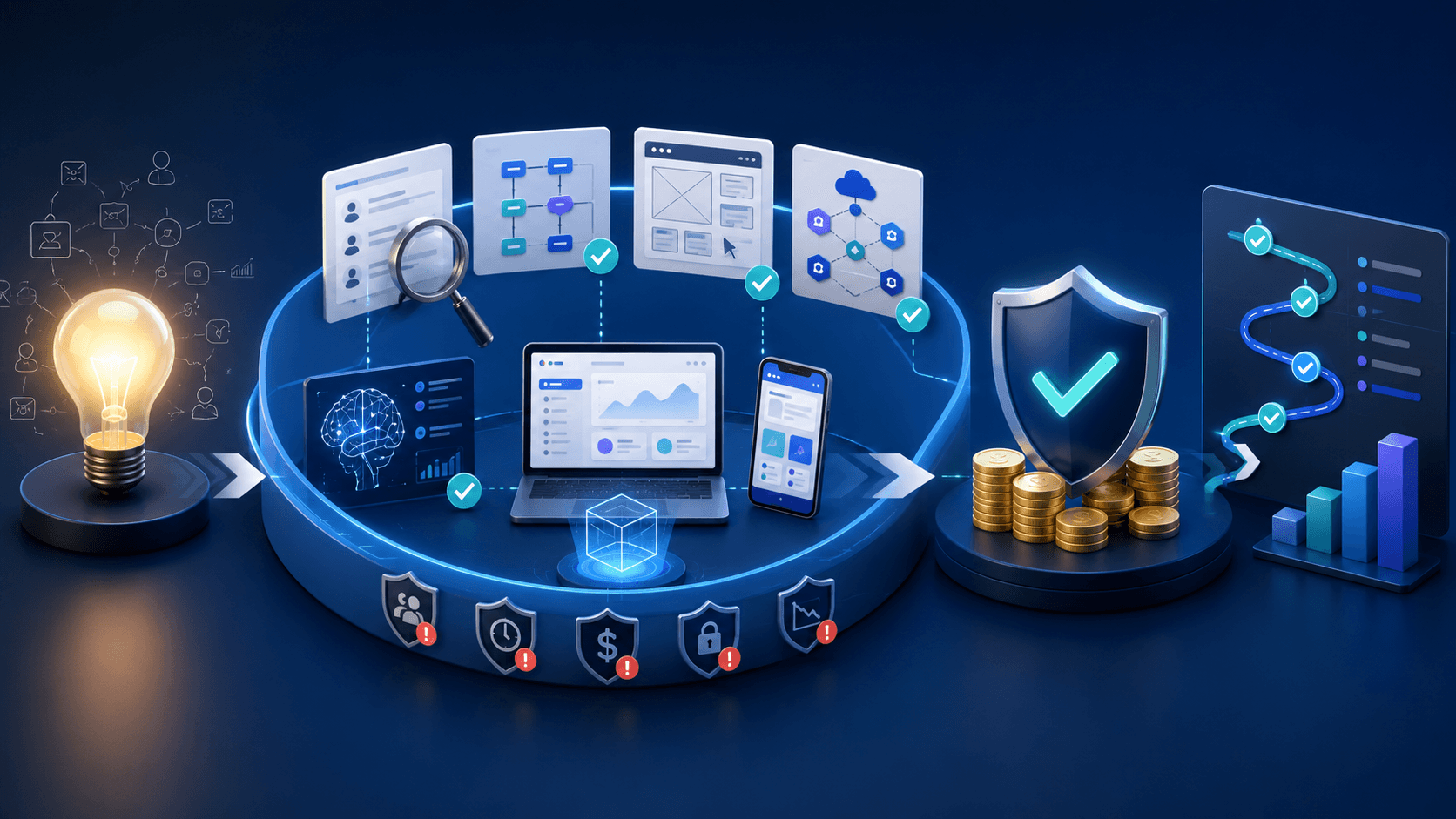
Draftello's product direction is built around this wider path: job discovery, proposal drafting, buyer communication, follow-up, and movement toward calls or contracts. That matters because the proposal is only one step in the acquisition system.
[Screenshot placeholder: add a Draftello dashboard screenshot here showing job discovery, saved searches, or opportunity review.]
Use AI For Grounding, Not Just Writing
The draft should be easier to review because it starts from the right inputs.
Most bad AI proposal workflows fail for the same reason: they ask the model to write before the context is clear.
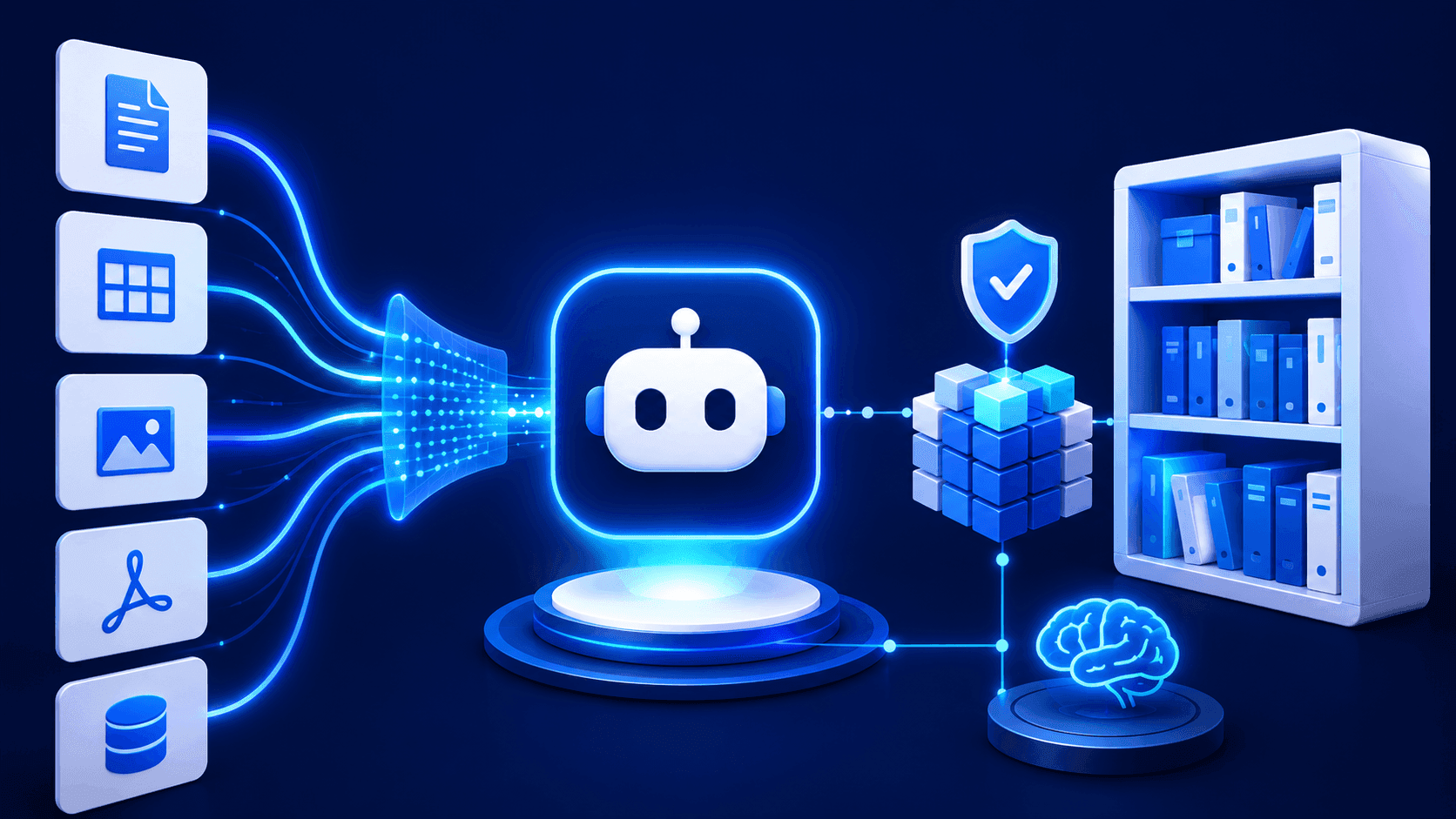
A stronger workflow gives AI the job post, your offer, your proof, the buyer's likely concern, and the next step you want. Then the AI output is not a magic answer. It is a reviewable draft.
That distinction is important. The human still decides what gets sent. The tool should reduce blank-page work and missed context, not remove judgment.
A practical review checklist
Before sending, check whether the proposal:
- Names the actual problem from the job post.
- Connects your offer to that problem without overexplaining.
- Uses proof you can stand behind.
- Has a clear next step.
- Avoids claims you cannot verify.
- Sounds like a person, not a template.
Do Not Let The Workflow End At Send
Replies, questions, and follow-ups are where a lot of pipeline is lost.
Many teams treat Upwork as a sending channel. They measure proposals, maybe replies, and then the rest happens in scattered messages, notes, or memory.
That is where good opportunities disappear. A buyer asks a question. Someone plans to follow up later. Another person loses track of whether the next step is a call, a clarification, a revised scope, or no action.
If AI is going to help with Upwork acquisition, it should help after the proposal too: summarize buyer replies, suggest response drafts, remind the team about follow-ups, and keep the next action visible.
[Screenshot placeholder: add a Draftello dashboard screenshot here showing buyer replies, follow-up state, or next actions.]
Keep The Human In Control
Assisted workflow beats black-box automation for this surface.
Upwork is not a place where teams should blindly automate everything. Account reputation, platform rules, client trust, and offer quality all matter.
A healthy workflow keeps review and responsibility explicit. Draftello is positioned around assisted acquisition: faster discovery, better grounded proposal drafts, organized buyer communication, and clearer next actions. It is not a promise that an AI system can guarantee replies, revenue, contracts, or platform safety.
That caution is not a weakness. It is what makes the workflow usable by serious freelancers and agencies.
The Operating Model
A simple weekly loop is enough to start.
Run this loop before you add more automation
For one week, track:
- Jobs reviewed.
- Jobs rejected and why.
- Proposals drafted.
- Proposals sent after human review.
- Buyer replies.
- Follow-ups due.
- Calls, contracts, or serious next steps.
- Proposals that felt too generic and why.
That record tells you where the workflow is breaking. Maybe discovery is noisy. Maybe proposals are slow. Maybe replies are handled inconsistently. Maybe follow-up is the real leak.
Only after that should you decide what AI should do next.
Draftello exists for teams that want this kind of Upwork acquisition workflow: more quality proposals, better lead communication, and a clearer path from job discovery to the next commercial step.
If you are building this process manually today, you can join the early access list at https://www.draftello.com/.